Keep plants running under control after the shift
- Continue operating defined plant sections without continuous staffing
- Fill silos and material areas to defined targets
- Stop automatically at the target level, end time or in the event of a fault

Continue production selectively after the shift

Night operation enabled
The operator defines which plant sections should continue operating outside normal shift hours.

Monitoring checked
Sensors, speed monitors, material checks, levels and other monitoring functions must be active and available.

Defined target levels
Target levels are set for selected silos or material areas, and the plant works towards them automatically.

Controlled plant sections
The control system operates only enabled areas and pauses processes when buffers are empty or full.

Time-limited operation
Alongside target levels, a fixed end time is set at which night operation ends automatically.

Controlled shutdown
When a target is reached, the end time arrives or a fault occurs, the plant shuts down in an orderly manner using defined sequences.


Sensors, speed monitors, material checks and other monitoring functions ensure that enabled plant sections are monitored reliably.
The operating strategy, recipe and relevant parameters are defined for each enabled plant section.
Operating states, faults, target attainment and shutdown reasons are documented and can be passed to designated recipients.
Levels in intermediate and finished-product silos provide the basis for target values, automatic pauses and stopping individual processes.
Defined sequences control plant starting, pausing and shutdown, including the required run-on times.
More operating time without an additional staffed shift

Defined plant sections can continue running after the shift without the entire plant requiring continuous staffing.

Finished-product silos or intermediate buffers are filled to defined target levels so they are better prepared for the following operating day.

Automated continued operation reduces the demand on operating staff because defined sequences run without continuous attendance.

Night operation starts only when the relevant sensors, monitoring functions and plant permissives are active and available.

When a target is reached, the end time arrives or a fault occurs, the control system shuts down the affected areas in an orderly sequence.

Starts, pauses, faults, level limits and shutdowns are logged and remain available for analysis the following day.
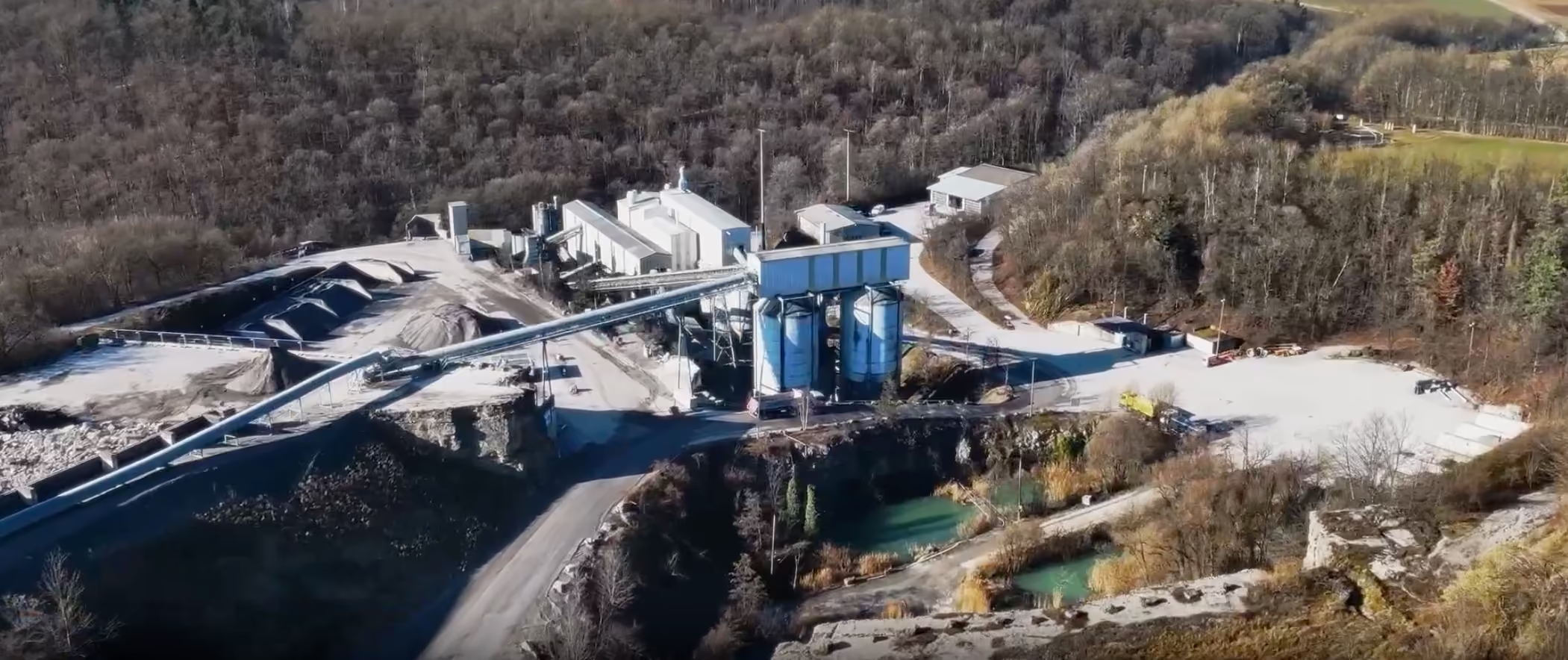

WÖHWA supports quarries with practical solutions for reliable, efficient and safe plant operation over the long term.

WÖHWA supports sand and gravel plants with practical solutions for reliable processes and consistently safe plant operation.

Solutions for flexible processes, changing requirements and reliable operation in recycling plants.



We develop the right solution for your plant.