Avoid peak loads. Control energy use more precisely.
- Detect potential peak loads early
- Prioritise consumers intelligently
- Keep power demand within defined limits

Detect peak loads before they occur

Record power consumption
The plant’s total energy consumption is recorded continuously and used as the basis for assessing the load.

Project the 15-minute value
The system continuously assesses whether the defined power demand limit could be exceeded within the current interval.

Detect potential peak loads
If a critical trend emerges, load management identifies the need for intervention at an early stage.

Select consumers precisely
Only defined plant areas with adjustable power consumption are considered. Process-critical consumers remain unaffected.

Control plant areas automatically
Depending on the version, consumers are throttled according to a fixed strategy or on the basis of data and process conditions.

Keep demand within the limit
Electrical load is reduced selectively to maintain stable plant operation and avoid peak loads.


Signals from the customer’s energy meter or the responsible grid operator are integrated to measure power demand. They provide the basis for assessing current demand.
A separate signal marks the start of the 15-minute interval used for billing. Load management therefore operates in sync with the relevant measurement periods.
The Professional version records levels in relevant intermediate and finished-product silos. These indicate which areas can temporarily reduce their output without compromising material supply.
Reliable throughput data allows the system to assess how long downstream areas can continue to be supplied from existing buffer stocks. Existing belt scales and process measurements can be integrated for this purpose.
The power consumption of individual plant areas is recorded separately. This allows the system to assess which reduction actually achieves the required electricity savings.
Better control of energy costs

Potential overruns within the 15-minute interval are detected early and reduced selectively.

More stable power demand supports more predictable operation and greater cost certainty.

Consumers with adjustable power consumption are assessed in the context of the plant to avoid unnecessarily putting material flow at risk.

The operator defines which plant areas may be controlled when demand threatens to exceed the limit.

From ECO with a fixed load-shedding strategy to Professional with data-based prioritisation, the system can be configured to suit the plant.

Load data, consumer status and control measures become visible and provide the basis for further energy analysis.
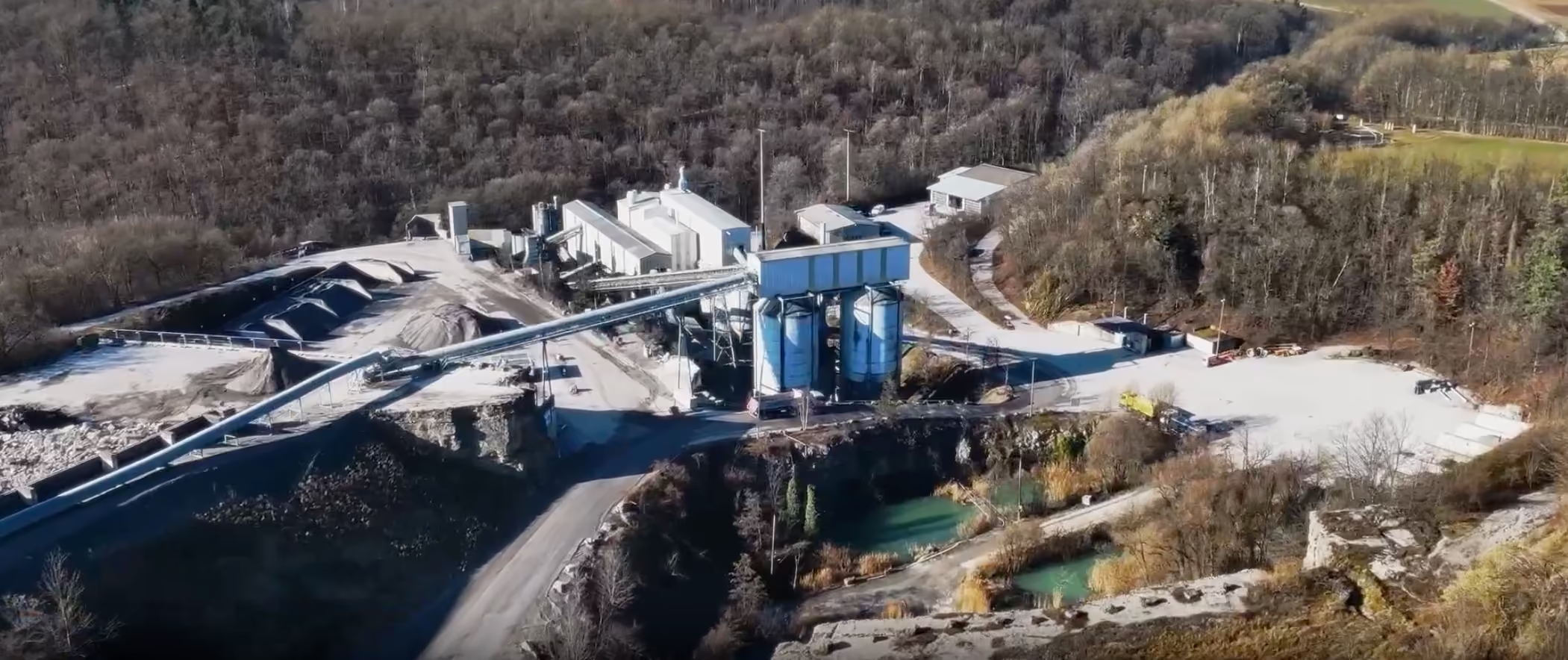

WÖHWA supports quarries with practical solutions for reliable, efficient and safe plant operation over the long term.

WÖHWA supports sand and gravel plants with practical solutions for reliable processes and consistently safe plant operation.

Solutions for flexible processes, changing requirements and reliable operation in recycling plants.



We develop the right solution for your plant.