Control by load. Process more efficiently.
- Identify process bottlenecks automatically
- Adjust feed and material flow dynamically
- Get more output from existing plants

Identify bottlenecks. Control the plant automatically.

Capture process data
Motor currents, conveying rates, levels, speeds and other signals provide the basis for assessing the plant.

Assess machine loading
LARUS calculates indicators of current utilisation for relevant machines and identifies where the plant is under load.

Identify bottlenecks automatically
The software identifies which plant area currently limits throughput and determines the optimal operating point.

Evaluate setpoints predictively
The digital plant model assesses how setpoint changes may affect downstream process areas.

Adjust feed automatically
Material feed and flow are controlled according to load without unnecessarily overloading the plant.

Operate more consistently at the optimum
The production chain is guided closer to an efficient operating point and better adapted to changing load conditions.


Depending on the plant, existing measurements and machine data can be integrated into LARUS and used for optimisation.
LARUS is integrated into the existing WÖHWA plant control system and plant structure.
Control strategy, measurement points, interfaces and target values are tailored to the plant, material and production objectives.
Missing measurement points are added only where required to assess the production chain reliably.
Relevant indicators, system states and settings are presented clearly in the plant visualisation.
Get more output from existing plants

LARUS brings the plant closer to its optimal operating point and makes more effective use of available capacity.

Load-dependent control can increase throughput without immediate investment in new main processing machines.

Changing material conditions, utilisation and bottlenecks are detected and considered by the control system.

Feed rate and material flow are adjusted dynamically to reduce fluctuations and overload conditions.

LARUS eases the workload on operating staff by automatically adapting the plant to current process conditions.

Smoother operation can help use energy more effectively per tonne produced.
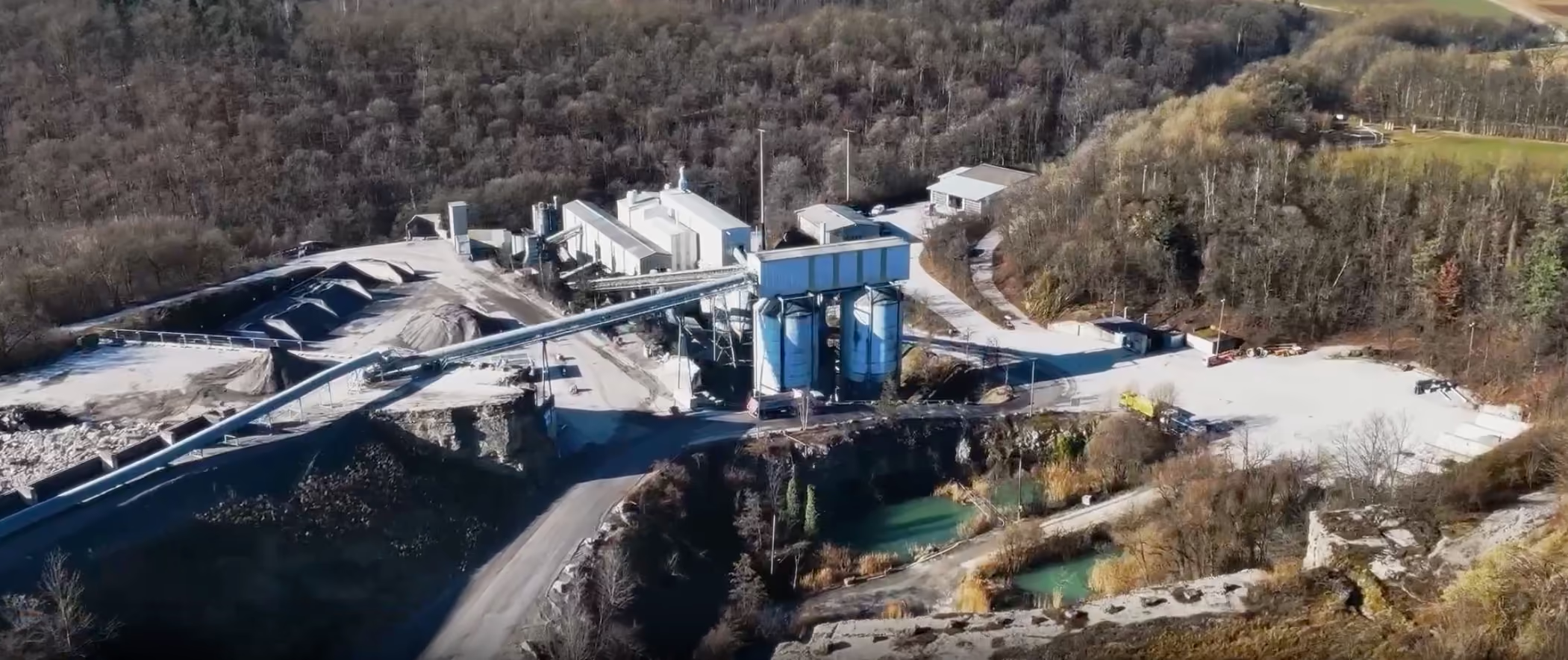

WÖHWA supports quarries with practical solutions for reliable, efficient and safe plant operation over the long term.

WÖHWA supports sand and gravel plants with practical solutions for reliable processes and consistently safe plant operation.

Solutions for flexible processes, changing requirements and reliable operation in recycling plants.



We develop the right solution for your plant.